
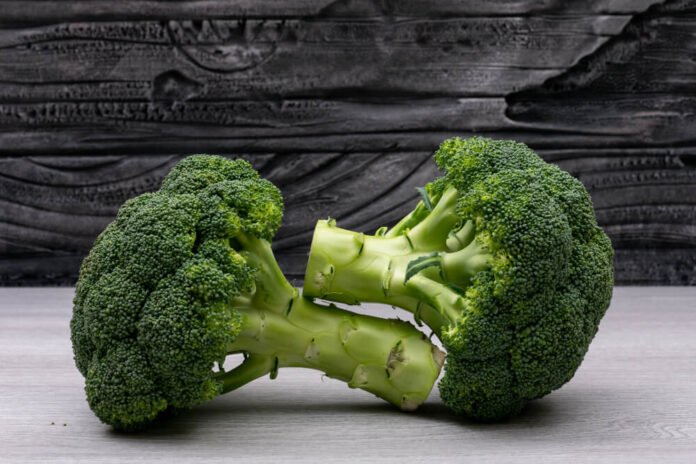
You head to the store, reach for broccoli, and find either an empty shelf or a price tag that makes you do a double-take. It’s not your imagination. Broccoli shortages hit multiple regions in 2025 and 2026, leaving shoppers, restaurants, and grocers frustrated.
This article covers what a broccoli shortage actually means, what’s driving the problem right now, which regions are affected, how long it tends to last, and what you can do about it whether you’re cooking at home or running a restaurant.
What a Broccoli Shortage Actually Means
A “shortage” rarely means broccoli has disappeared from the planet. In most cases, it means tight supply and higher prices. Some stores have normal stock while others face empty shelves and that unevenness is normal.
There are two types of shortages worth understanding. The first is short-term seasonal tightness, which lasts a few weeks and resolves once new crops come in. The second is a more prolonged regional disruption, where weather or a crop failure knocks out supply for longer.
Whether you notice a shortage depends heavily on where you live and who supplies your local store. In April 2026, Ole Tyme Produce listed broccoli as “critically short across all varieties and growing regions.” That same year, in mid-June, Seashore Fruit and Produce reported broccoli supplies as plentiful and steady. Same year, completely different picture different regions, different supplier networks.
The Real Causes Behind Recent Broccoli Supply Problems
There’s no single villain here, but extreme weather is the biggest driver. Here’s what actually happened.
Heavy Rain in Spain
Murcia, in southeastern Spain, is one of Europe’s most important winter broccoli suppliers. At the end of 2025 and into early 2026, the region experienced heavy, persistent rainfall. That rain delayed planting across key production areas.
According to the managing director of Agromark, a major Murcia producer, they anticipated a sharp drop in broccoli and cauliflower supply from week 12 to week 14 of 2026 roughly mid- to late March. That gap was expected to last about three weeks. Three weeks of reduced supply from a major exporting region is enough to send ripple effects across European supermarkets and wholesale markets.
Seasonal Transitions in the U.S.
In North America, the issue is different but just as disruptive. Broccoli production moves between growing regions throughout the year particularly between Salinas and Santa Maria in California. When one region winds down and the next hasn’t fully ramped up, there’s a window where yields don’t meet demand.
Blue Book Services linked rising U.S. broccoli and cauliflower prices directly to low yields during one of these transitions. Wholesalers tighten up, prices climb, and smaller buyers get less consistent deliveries.
Why Broccoli Is Especially Vulnerable
Broccoli is a cool-weather crop. It’s sensitive to temperature swings and moisture extremes. That makes it more exposed to weather disruptions than heartier crops. As weather patterns become more volatile, episodes like these are likely to happen more often.
Broccolini and other brassicas cauliflower, Brussels sprouts, cabbage share growing areas and seasons with broccoli. When one is in short supply, the whole category often feels it. A social media post from a produce wholesaler in 2026 flagged an industry-wide broccolini shortage tied to adverse weather in key growing regions, pointing to how interconnected these crops are.
How Long Broccoli Shortages Typically Last
This is the question most people want answered: is this going to last?
The good news is that most recent episodes have been short. The Murcia disruption was projected to last about three weeks. U.S. distributor alerts in April 2026 estimated no improvement for two to three weeks for affected produce categories. Broccoli grows relatively fast, so once weather stabilizes and planting resumes, supply often bounces back quickly.
By June 2026, UK production had started filling the gap left by Spain as the import season wound down. Reynolds Food’s June 2026 crop report rated broccoli availability as “amber” cautious but stable noting that UK supply was beginning to support the market. And as mentioned earlier, Seashore Fruit and Produce confirmed plentiful broccoli supplies by mid-June.
The frustrating part is that recurring disruptions each one brief can make shortages feel constant. A three-week gap here, a two-week price spike there, and it starts to feel like broccoli is always a problem. That’s more about the frequency of weather events than any permanent collapse in production.
How Shortages Hit Restaurants and Grocery Stores Differently
When supply tightens, the impact isn’t equal across everyone in the food chain.
Suppliers manage tight periods by issuing prorates they only fulfill a portion of what a business ordered. A restaurant that orders 20 cases might receive 10. That forces quick decisions: reduce portion sizes, swap in a different vegetable, or pull broccoli-heavy items from the menu entirely.
The April 2026 Produce Alliance market report did exactly that it advised foodservice customers to adjust sizes, switch varieties, reduce portions, or temporarily remove items. For a small restaurant running a broccoli cheddar soup and a steamed broccoli side, that might mean switching to potato leek soup and substituting green beans until supply recovers.
Large restaurant chains and supermarket groups generally handle this better. They have long-term contracts, diversified supplier networks, and the buying power to stay at the front of the line when supply is tight. Smaller restaurants and independent grocers often take the bigger hit less leverage, less consistency, higher prices.
What Consumers Can Do Right Now
You don’t need to panic, but a few practical moves can help you get through a tight period without overpaying or going without.
Switch to Frozen Broccoli
Frozen broccoli is processed and stored before fresh shortages hit the market. That means when fresh supply is disrupted, frozen bags often stay available at relatively stable prices. A 2026 industry piece made the case that frozen broccoli acts as a hedge against weather-driven fresh produce shortages useful both for households and foodservice buyers.
Nutritionally, frozen broccoli holds up well. It’s blanched before freezing, which preserves most of its vitamins. For soups, stir-fries, and casseroles, it works just as well as fresh.
Use Substitute Vegetables
Several vegetables can stand in for broccoli with minimal recipe adjustments:
- Cauliflower closest in texture, works in most broccoli recipes
- Brussels sprouts similar flavor profile, great roasted
- Cabbage affordable and widely available during shortages
- Green beans a reliable side dish substitute
- Leafy greens (kale, spinach) different texture but nutritionally comparable
Keep in mind that when broccoli is tight, cauliflower and other brassicas sometimes face similar pressure. Check prices across the whole category before committing to a substitute.
Buy and Freeze When Prices Are Low
If you spot broccoli at a good price, buy more than usual and freeze it yourself. Blanch it briefly in boiling water, cool it in ice water, dry it thoroughly, and freeze in portions. Home-frozen broccoli keeps well for several months and can smooth out the impact of the next shortage before it even starts.
Adjust Recipes During Tight Periods
If fresh broccoli is available but expensive, stretch it further. Use half the amount you normally would and bulk up with another vegetable. A stir-fry that calls for two cups of broccoli works fine with one cup of broccoli and one cup of green beans. You keep the flavor, reduce the cost, and don’t go without entirely.
The Bigger Picture
A missing shelf of broccoli is a small inconvenience. But it’s part of a larger pattern worth understanding. Modern produce supply chains are built for efficiency, not resilience. Crops come from specific regions during specific windows, and when those windows are disrupted by rain in Murcia, or a slow transition between California growing areas the whole chain feels it.
Broccoli is a cool-weather crop in a warming, more volatile climate. That combination means these episodes are likely to recur. Each one may be short-lived, but the frequency could increase. For more on how food supply trends affect everyday consumers and businesses, Alice Business Magazine covers these topics regularly.
The most useful thing you can do is stay flexible. Keep frozen broccoli in the rotation, know your substitutes, and don’t be surprised the next time a shelf looks sparse. The shortage will almost certainly resolve it just takes a few weeks for the fields to catch up.
Also Read: