
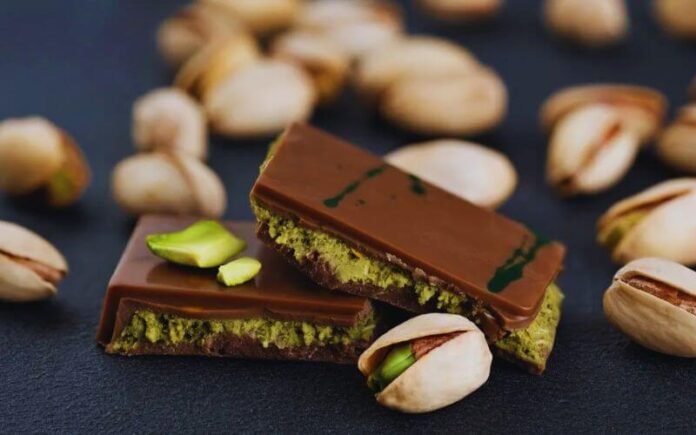
A bag of pistachios that cost $10 last year may now cost $15 or more. That jump is not random. It comes from a war, a drought, a natural crop cycle, and a viral chocolate trend all hitting the market at the same time.
This article breaks down what is actually driving the pistachio price surge, how serious it is, who is affected, how long it could last, and what consumers and food businesses can do right now.
Is There Actually a Pistachio Shortage Right Now?
The honest answer is: it depends on how you define “shortage.” Pistachios have not disappeared from store shelves. You can still buy them in most markets. But the supply is tight enough that prices have climbed sharply and quickly.
Global pistachio prices have risen over 50% in recent months. Benchmark prices reached roughly $4.57 per pound the highest level since May 2018. That is what most consumers experience as a shortage: higher prices, fewer deals, and less variety on shelves.
Industry analysts are careful not to call this a full collapse. Global production for 2025/26 is estimated at around 1.09 million metric tons, down roughly 8% from 1.19 million MT the year before. That is a meaningful drop, but it is not a crisis in absolute terms. The more accurate description is a tight supply situation one that is being felt hard by businesses and shoppers.
Three Causes Hitting the Market at the Same Time
No single factor caused this. Three separate problems arrived together, and that combination is what pushed prices to an eight-year high.
1. Conflict in Iran
Iran produces roughly 18–20% of global pistachios and handles about one-third of global exports. That makes it one of the most important players in the entire market.
War and regional conflict have disrupted Iran’s export pipelines, shipping routes, and trade insurance. In early 2026, some shipping companies reportedly cancelled routes to Middle Eastern hubs including the UAE, which is a key re-export center for pistachio products. When those routes stall, the ripple effect is immediate and global.
Think of it like the oil market. A handful of countries control most of the supply. Political trouble in one of them can raise prices in an ice cream shop on another continent.
2. Off-Year Crop Cycles
Pistachios naturally alternate between high-yield “on-years” and lower-yield “off-years.” This is just how the trees grow you cannot force them to produce a bumper crop every year.
For 2026, both the US and Iran are entering off-years, meaning smaller harvests. Turkey is moving into an on-year, which will help somewhat, but not enough to offset the combined shortfall from the two larger producers. Timing could not be worse.
3. Drought and Water Stress
Iran’s crop was already smaller than expected before conflict added pressure. Dry weather reduced yields significantly. Pistachios are water-intensive trees grown in regions that are already vulnerable to drought and water scarcity.
This means the crop outlook was already weakening. The conflict then hit a market that was not in a strong position to absorb the shock.
Each of these causes alone would have been manageable. Together, they created something much harder to absorb.
Why Demand Made a Difficult Situation Worse
This is not only a supply problem. Demand for pistachios has been rising steadily, driven by their image as a premium, healthy snack and their growing use in ice cream, confectionery, and bakery products.
Then came “Dubai chocolate” a pistachio-heavy Middle Eastern treat that went viral on social media and drove a significant demand surge, particularly across Asia and the Middle East. What started as a regional specialty turned into a globally sought-after product almost overnight.
Social media amplified the craving at exactly the moment supply was tightening. More people wanting pistachios while fewer were available is the straightforward reason prices spiked faster than the crop data alone would suggest.
How This Affects Food Companies and the Products You Buy
If you love pistachio ice cream, baklava, pistachio chocolate bars, or nougat, you are likely already noticing changes. Here is what is happening at the business level and why it matters to you.
What Food Businesses Are Dealing With
Food brands that use pistachios as an ingredient face two problems at once: higher costs and disrupted supply from Iranian processors. A small gelato shop, for example, might see its wholesale pistachio cost rise by more than 50%. That forces real decisions fast.
Common responses include:
- Raising retail prices on pistachio products
- Reducing the amount of pistachio per product without changing the label size
- Launching smaller or “limited edition” pistachio lines to manage inventory
- Switching to alternative nuts like almonds or hazelnuts where the recipe allows
That last option sounds simple, but it is not always possible. A Middle Eastern bakery making baklava or kunafa cannot easily swap pistachios for another nut without changing the flavor, texture, and identity of the product entirely. The same applies to “Dubai chocolate” bars. Pistachios are the point you cannot reformulate them away.
What Consumers Are Seeing
At the grocery store and in restaurants, the shortage shows up in a few ways:
- Higher prices on bagged pistachios and pistachio-based products
- Fewer promotions or bulk deals
- Pistachio flavors listed as “seasonal” or “limited” rather than always available
- Some retailers promoting alternative nuts more heavily
If you buy pistachios regularly as a snack, the simplest response is to buy in smaller amounts more often rather than stocking up at high prices, or to try alternatives like sunflower seeds, pumpkin seeds, or almonds while prices remain elevated.
How Long Could This Last?
Based on current crop forecasts and market conditions, the tight supply is likely to continue through at least the 2025–2027 crop period. Here is why:
- The US and Iran are both in off-years, meaning smaller harvests are already locked in for the near term.
- Conflict in the Middle East remains an active and unpredictable factor.
- Demand has not dropped significantly despite higher prices.
- Market liquidity is low sellers are cautious, and buyers are not committing to large volumes without clearer crop data.
Some relief could come if the conflict de-escalates and shipping routes normalize. Turkey’s on-year production will add some supply. And when the US and Iran enter their next on-years, global output should recover.
But structural issues remain. Pistachios are grown in a small number of countries, in water-stressed regions, with tree crops that cannot be rapidly scaled up. That concentration makes the supply chain fragile to shocks, and those shocks are becoming more frequent.
Anyone tracking this story from food buyers to curious shoppers should watch for upcoming USDA crop estimates, any shifts in the Middle East conflict, and how major food brands respond to ingredient pressure over the next 12 months. For ongoing coverage of business and market developments like this, Alice Business Magazine covers the stories behind the price tags.
Who Benefits and Who Gets Hurt
It is worth being clear about who is on each side of this situation.
Those who benefit: US and Turkish pistachio farmers can sell their crops at historically high prices. Emerging pistachio-growing regions may attract new investment as buyers look to diversify supply.
Those who lose: Consumers pay more for less. Small food businesses without purchasing power or hedging contracts absorb the cost directly. Iranian farmers and exporters many of whom have no role in the conflict face disrupted access to global markets.
The Bottom Line
The pistachio situation is not a crisis invented by the media. Prices are genuinely up over 50%, supply is genuinely tighter, and the causes conflict in Iran, off-year crop cycles, drought, and rising demand are real and documented.
It is also not the end of the pistachio. Supply is strained, not gone. The market will eventually rebalance when crops recover and conditions stabilize.
For now, expect to pay more, see fewer deals, and notice some of your favorite pistachio products changing quietly smaller portions, higher prices, or shorter availability windows. That is what a supply squeeze looks like in practice, and this one has a few more seasons to run.