
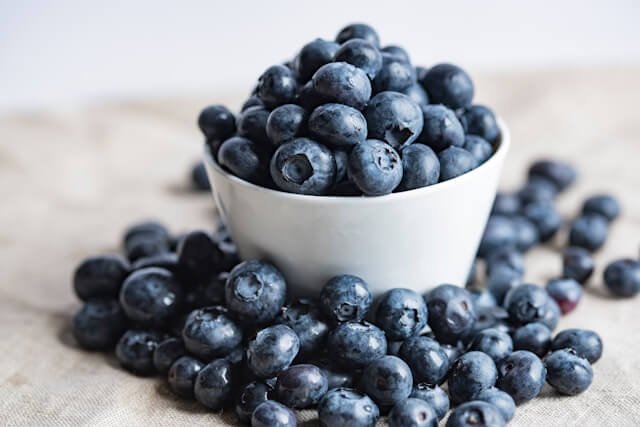
Blueberries are harder to find and more expensive than usual right now and it’s not just a problem at your local store. From Florida to Maine to Peru, a combination of weather disasters and rising demand has tightened blueberry supply across multiple regions at the same time.
This article breaks down exactly why the shortage is happening, which types of blueberries are most affected, how long it might last, and what you can do about it as a consumer or business owner.
What “Blueberry Shortage” Actually Means Right Now
First, let’s be clear about what a shortage means here. You won’t find empty shelves everywhere with zero blueberries in sight. What you will find is reduced availability, fewer promotions, and higher prices in many parts of the U.S., Canada, the UK, and Europe.
Fresh blueberries and wild blueberries are hit the hardest. Frozen cultivated blueberries are still broadly available in most markets, though slightly more expensive than they used to be.
The shortages are also regional and seasonal. Some areas have more supply than others. But when several major growing regions struggle at the same time, it creates a global squeeze effect that ripples across the entire market.
The Weather Events Behind the 2025–2026 Supply Crunch
This shortage isn’t caused by one single event. Several weather disasters have hit key blueberry-growing regions around the same time, and that combination is what’s driving the current squeeze.
Florida: A February Freeze Hit Hard
In February 2026, freezing temperatures swept through North Central Florida and damaged crops across the region. Some farms lost up to 70% of their harvest. Others lost everything.
The freeze pushed the Florida blueberry season back by three to four weeks. Local stores that normally stock locally grown berries had to turn to imports from Mexico or Chile, which drove prices up and reduced availability on shelves.
Maine: One of the Driest Summers in 30 Years
Maine’s wild blueberry crop depends entirely on natural rainfall and seasonal conditions. In 2025, the state experienced one of its driest summers in three decades. Drought and extreme heat reduced flower bud formation, which means fewer berries and smaller berries in 2026.
As of early 2026, much of Maine remains in moderate to severe drought, with some areas reaching extreme drought conditions. That’s not a good sign for recovery.
Peru: El Niño Pushed Conditions Way Beyond Normal
Peru is a major blueberry exporter, and it’s been hit hard by El Niño conditions. Temperatures and UV levels climbed far above what blueberry plants can handle. UV levels reached 11 to 12 in some areas, compared to the optimal range of 3 to 4.
This delayed bloom by up to 60 days and caused some plants to drop leaves and produce shriveled fruit. Estimated volume dropped by roughly 37% compared to the 2022–23 season. Some Peruvian shippers even invoked force majeure clauses on export contracts because the weather disruptions were so severe.
Europe: Wild Forest Blueberries in Short Supply
European wild forest blueberries, which are popular in dried fruit and specialty food markets, also took a hit after adverse weather in 2025. Availability is described as very limited, with sharp price increases already showing up in the UK and EU markets for dried and wild berry products.
Why Wild Blueberries Are in Worse Shape Than Cultivated Ones
There’s an important difference between wild blueberries and cultivated (highbush) blueberries, and it matters a lot right now.
Wild blueberries grow in natural settings in places like Maine, Eastern Canada, and European forests. There’s no irrigation backup. If it doesn’t rain enough, or if it gets too hot, the crop suffers. There’s no safety net.
Cultivated blueberries are grown on farms with more controlled conditions. Global planting of cultivated blueberries has been expanding, which normally keeps prices stable. But even cultivated supply isn’t immune to climate stress.
Here’s the other problem: when wild blueberry supply drops, demand shifts toward cultivated blueberries. That extra pressure tightens the cultivated market too, even in regions where the harvest was decent.
Canadian wild blueberry supply is forecast to stay below its long-term average at least through the 2026/27 contracting season. Buffer inventories are low, so there’s little cushion. One bad season quickly turns into higher prices and scarcity at the retail level.
Organic cultivated blueberry pricing in the U.S. has been holding around $1.85 per pound, reflecting both constrained volumes and strong ongoing demand.
How This Affects Prices at the Store
If you’ve been to the grocery store recently and noticed your blueberries costing more than usual, here’s what’s behind it.
After the Florida freeze, shoppers in North Central Florida reported smaller blueberry displays, fewer sale prices, and higher per-pint costs. Stores had shifted to imported berries from Mexico or Chile to fill the gap, and that import cost gets passed to consumers.
Reports from grocery workers on consumer forums cited up to a 50% shortage at peak disruption points, directly attributing it to weather-related crop damage. In the UK and EU, dried and wild blueberry prices have spiked sharply due to the European supply squeeze.
Frozen blueberries are slightly more expensive than they were but remain widely available in most markets. If you rely on blueberries regularly, frozen is still your most stable and budget-friendly option right now.
How Long Will the Shortage Last?
That’s the question most people want answered, and the honest answer is: it depends on the region, and recovery won’t be instant.
The Florida situation was expected to ease around April 2026 as the delayed season finally came in. But the damage to plants means some farms will take time to fully recover.
For Maine and Canadian wild blueberries, drought damage affects flower bud formation for the following season. That means even if rainfall returns to normal in 2026, yields may stay low into 2027.
Canadian and European wild blueberry supply is forecast to remain constrained at least through the 2026/27 contracting season, barring a clear production rebound. Industry analysts describe 2026 as a transitional phase for the U.S. blueberry market as supply and demand try to find a new balance.
The broader takeaway: don’t expect prices to snap back to where they were anytime soon. Climate volatility is making episodic shortages and price spikes more likely going forward, even as global planting area continues to grow.
What Consumers Can Do Right Now
You don’t need to panic, but a few small changes can help you manage during this tight period.
- Switch to frozen when fresh prices spike. Frozen cultivated blueberries are still widely available and work perfectly in smoothies, oatmeal, and baked goods.
- Try other berries. Strawberries, raspberries, blackberries, and grapes are all good alternatives and are not facing the same supply pressure right now.
- Buy local and in season when possible. Off-season imported blueberries carry higher prices. Watch for when your region’s local crop comes in that’s typically when fresh prices dip.
- Skip the wild blueberry products for now. Dried wild blueberries and wild blueberry specialty items are seeing the sharpest price increases. Cultivated options are a better value at the moment.
What Businesses Should Do
If you run a bakery, food company, or restaurant that relies on blueberries, this shortage requires a more deliberate response.
- Diversify your sourcing regions. Don’t rely on a single supplier or growing region. Build relationships with multiple sources so one bad harvest doesn’t cut off your supply.
- Consider longer-term contracts. Spot buying is riskier right now. Locking in supply through longer contracts can protect you from sharp price swings.
- Explore mixed berry blends. If your recipe calls for wild blueberries, reformulating with a mixed-berry blend can reduce costs and supply risk without drastically changing your product.
- Adjust your menu or product line seasonally. Leaning into raspberry, apple, or other fruit flavors during peak blueberry scarcity gives you flexibility and keeps customers happy.
For more business and market coverage like this, visit Alice Business Magazine.
The Bottom Line
The blueberry shortage in 2025–2026 is real, but it’s not a total collapse. It’s a combination of bad luck and bad weather hitting several major growing regions at once Florida, Maine, Peru, and Europe all around the same time.
Wild blueberries are taking the biggest hit. Frozen and cultivated blueberries are still available but cost more than usual. Prices are unlikely to normalize quickly, especially for wild varieties.
If you’re a regular blueberry buyer, the smartest move right now is to lean on frozen, try other berries, and wait for your local season. If you’re a business, this is a good moment to rethink your supply chain before the next weather event creates another crunch.
Also Read: