The Importance of Professional HVAC Repair and Maintenance
Imagine your home always being the perfect temperature, no matter the season. Our HVAC systems work tirelessly to keep us comfortable year-round, from the sweltering heat of summer to the biting cold of winter. But what happens when these vital systems falter? Ignoring the signs of wear can lead to uncomfortable living spaces, unexpected breakdowns, and costly emergency repairs. This is why understanding the importance of regular HVAC repair and maintenance is not just about comfort; it’s about safeguarding your home and your budget. Proactive care ensures your system runs smoothly and efficiently.
In this guide, we will explore the many benefits of keeping your heating, ventilation, and air conditioning system in top shape. We’ll cover how often maintenance should be done and what a typical check-up involves. We will also help you identify signs that your system needs attention and guide you on when to consider repairing versus replacing an older unit. Our aim is to provide you with the knowledge needed to make informed decisions about your home’s comfort system.
Regular, professional HVAC repair and maintenance are paramount for several reasons, extending far beyond simply keeping your home comfortable. This proactive approach, often referred to as preventive maintenance, significantly contributes to energy waste reduction, prolongs the equipment’s lifespan, and can lead to substantial utility bill reductions.
Furthermore, it plays a critical role in ensuring your home’s safety, particularly concerning carbon monoxide, and ultimately optimizes your indoor comfort throughout the year. Neglecting these systems can lead to a cascade of problems, from minor inefficiencies to complete system failures, often at the most inconvenient times.
Maximizing Energy Efficiency and Cost Savings
One of the most compelling reasons to prioritize HVAC maintenance is its direct impact on your energy consumption and, consequently, your monthly utility bills. Over time, various factors can impede your system’s efficiency. For instance, airflow restriction, often caused by dirty air filters or blocked vents, can force your HVAC unit to work harder to circulate air.
Similarly, dirty coils—both evaporator and condenser—act as insulation, reducing the system’s ability to transfer heat effectively. Research indicates that airflow problems alone can reduce an HVAC system’s efficiency by as much as 15 percent. When coils are dirty, the system runs longer to achieve the desired temperature, consuming more electricity.
Deep cleanings and calibrations, which are standard components of preventive maintenance, are highly effective at combating these issues. They can cut energy waste by up to 30 percent, leading to noticeable savings on your energy bills. By ensuring all components are clean, lubricated, and calibrated correctly, your system doesn’t have to overcompensate for inefficiencies.
This not only reduces immediate energy costs but also minimizes wear and tear on components, preventing premature breakdowns. For homeowners seeking to optimize their home’s performance and reduce operational costs, investing in regular maintenance with providers of expert HVAC and plumbing solutions is a strategic decision that pays dividends in the long run.
Preserving Manufacturer Warranty Coverage
Many homeowners are unaware that neglecting regular HVAC maintenance can jeopardize their manufacturer’s warranty. Most HVAC manufacturers stipulate that their warranty coverage remains valid only if the system receives documented annual service by a qualified technician. This requirement is in place because manufacturers understand that proper maintenance is crucial for the longevity and performance of their equipment.
Without annual service records, if a major component like the compressor fails, you might find your warranty claim denied, leaving you to bear the full cost of an expensive repair or replacement. Regular maintenance provides proof of care, ensuring that factory parts coverage remains intact. It demonstrates that you’ve taken the necessary steps to maintain the system as recommended, protecting your investment and preventing unexpected financial burdens.
Comprehensive HVAC Maintenance: Checklist and Service Frequencies
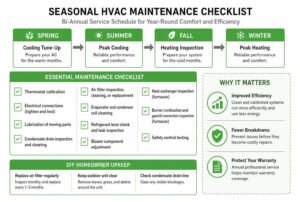
To ensure your HVAC system operates at peak performance throughout the year, a structured maintenance schedule is essential. Most experts recommend bi-annual scheduling, aligning with the changing seasons. This means a spring cooling tune-up and a fall heating inspection. Heat pumps, which serve both heating and cooling functions, often require maintenance twice a year due to their continuous operation across seasons. This proactive approach prepares your system for the demands of extreme temperatures, preventing inconvenient breakdowns and ensuring consistent comfort.
Essential Steps in HVAC Repair and Maintenance Tune-Ups
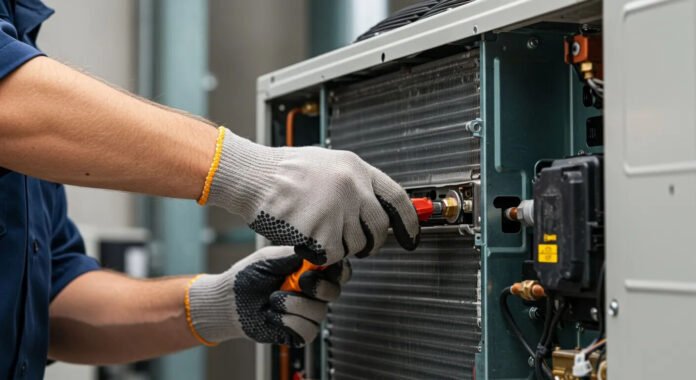
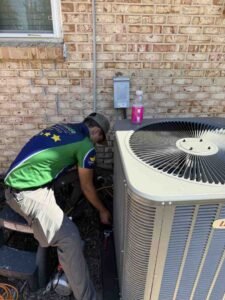
A thorough HVAC tune-up involves a comprehensive inspection and cleaning of various components to ensure optimal function and safety. While the exact steps may vary slightly depending on the system type (furnace, AC, heat pump), a typical maintenance check-up includes:
- Thermostat Calibration: Ensuring accurate temperature readings and proper system control.
- Electrical Connections: Tightening loose connections and measuring voltage and current on motors to prevent safety hazards and ensure efficient operation.
- Lubrication of Moving Parts: Reducing friction and wear on motors and bearings, which lowers electricity consumption.
- Condensate Drain Inspection and Cleaning: Preventing clogs that can lead to water damage, humidity issues, and system shutdowns.
- Air Filter Inspection, Cleaning, or Replacement: Crucial for maintaining good airflow and indoor air quality.
- Evaporator and Condenser Coil Cleaning: Removing dirt and debris that hinder heat transfer, improving cooling efficiency.
- Refrigerant Level Check: Verifying the proper charge and inspecting for leaks, as low refrigerant can severely impact cooling performance.
- Blower Component Adjustment: Cleaning and adjusting the blower to ensure proper airflow throughout the ductwork.
- Heat Exchanger Inspection (for furnaces): Checking for cracks or damage that could pose a carbon monoxide risk.
- Burner Combustion and Gas/Oil Connection Inspection (for furnaces): Ensuring safe and efficient fuel burning.
- Safety Control Testing: Verifying that all safety mechanisms are functioning correctly.
These detailed checks address potential issues before they escalate into costly repairs, ensuring your system is ready for whatever the weather brings.
DIY Upkeep vs. Professional Servicing
While professional HVAC maintenance is indispensable, there are several tasks homeowners can perform themselves to support their system’s health. The most critical and frequent DIY task is air filter replacement. Depending on your system and household conditions (e.g., pets, allergies), filters should be inspected monthly and replaced every 1-3 months. Understanding MERV ratings can help you choose the right filter for your needs, balancing filtration effectiveness with airflow.
Another simple DIY task is ensuring the area around your outdoor unit is clear of debris, such as leaves, grass clippings, and shrubs. This allows for proper airflow around the condenser coil. Additionally, homeowners can periodically check and clear the condensate drain line for obvious blockages.
However, many aspects of HVAC maintenance require the expertise, specialized tools, and safety training of a professional technician. Tasks like coil cleaning, which involves accessing delicate components, or checking refrigerant levels, which requires EPA certification due to the handling of refrigerants, should never be attempted by an untrained individual. Dealing with high-voltage electrical components or inspecting a heat exchanger for cracks also presents significant safety risks. Professional technicians are equipped to handle these complexities safely and effectively, ensuring no damage is done and that the system operates according to manufacturer specifications.
Diagnosing System Issues: Routine Tune-Up vs. Emergency HVAC Repair
Understanding the difference between proactive maintenance and reactive repair is crucial for effective HVAC management. Routine tune-ups are preventive measures, designed to keep your system running efficiently and to catch minor issues before they become major problems. Emergency HVAC repair, on the other hand, addresses a system that has already broken down or is performing poorly.
While maintenance aims to prevent issues, your system will often give you warning signs when it needs more than just a tune-up. Recognizing these indicators can help you call for service before a complete breakdown occurs. Common signs that your HVAC system needs attention include:
- Rising Energy Bills: A sudden or gradual increase in energy consumption without a change in usage patterns often signals an inefficient system.
- Longer Time to Reach Set Temperature: If your home takes an unusually long time to heat or cool, your system may be struggling.
- Weak Airflow: Reduced air coming from your vents can indicate issues with the blower, ductwork, or a clogged filter.
- Unusual Noises: Grinding, squealing, banging, or persistent rattling sounds are rarely normal and often point to mechanical problems.
- Unpleasant Odors: Musty smells can indicate mold in the ducts, while a burning smell might signal an electrical issue or dirty components.
- Humidity Issues: Excessive indoor humidity or overly dry air suggests the system isn’t managing moisture correctly.
- Short Cycling: When your system frequently turns on and off, it’s inefficient and puts undue stress on components.
- Over a Year Since Last Visit: If it’s been more than 12 months since your last professional check-up, it’s likely overdue.
Addressing these warning signs promptly can prevent a minor repair from escalating into a costly emergency.
Deciding Between HVAC Repair and Maintenance or Unit Replacement
One of the most challenging decisions homeowners face is whether to repair a failing HVAC system or invest in a new one. This decision often hinges on several factors, including the system’s age, the cost of repairs, and potential energy savings from a new, more efficient unit.
As a general rule, an air conditioning unit should be considered for replacement if it is over 15 years old. For furnaces, this lifespan can be slightly longer, but efficiency declines significantly with age. Another key guideline is the “50 percent repair rule”: if the cost of a single repair exceeds 50% of the system’s total value, replacement is usually the more cost-effective option in the long run. Older systems, even after repairs, will likely continue to have issues and will certainly be less energy-efficient than modern units.
Newer systems come with improved SEER2 standards (Seasonal Energy Efficiency Ratio 2), which reflect higher efficiency ratings. Upgrading to a unit with a higher SEER2 rating can lead to substantial energy optimization and lower monthly utility bills, often offsetting a significant portion of the replacement cost over time. For insights into common HVAC issues and when to consider professional help, resources offering reliable residential HVAC repair can provide valuable guidance.
Here’s a table comparing factors to consider when making this decision:
Factor Repair Considerations Replacement Considerations System Age Unit is relatively new (under 10-12 years for AC, under 15 for furnace). Unit is old (over 15 years for AC, nearing end of life for furnace). Repair Cost Cost is minor compared to system value (e.g., less than 25%). Repair cost exceeds 50% of the system’s value. Frequency of Repairs Infrequent breakdowns, isolated issues. Frequent breakdowns, recurring issues, multiple major component failures. Energy Efficiency System still performs efficiently; energy bills are reasonable.
Energy bills are consistently high; system struggles to maintain temperature. SEER2/AFUE Rating Acceptable efficiency for current standards. Low efficiency rating (e.g., old SEER units), significant potential for energy savings with new unit. Comfort Level System provides consistent, reliable comfort. Inconsistent cooling/heating, hot/cold spots, humidity problems. Warranty Still under manufacturer’s warranty. Warranty has expired. Future Plans Planning to move soon; short-term solution needed. Planning to stay in the home for many years; long-term investment. Environmental Impact Minimal, if system is still efficient. Significant reduction in carbon footprint with a high-efficiency replacement. What to Look for in a Qualified HVAC Contractor
Choosing the right HVAC contractor is paramount for ensuring quality service and peace of mind. Not all contractors are created equal, and making an informed choice can save you from future headaches and expenses. When selecting a professional, always look for the following key attributes:
- Technician Licensing and Certification: Ensure the technicians are properly licensed and certified. This indicates they have met industry standards for knowledge and skill. Look for certifications like NATE (North American Technician Excellence), which signifies a high level of competency.
- Liability Insurance: A reputable contractor will carry comprehensive liability insurance. This protects you from financial responsibility in case of accidents or damage during service. Always ask for proof of insurance.
- Thermal Load Calculations: For new installations or replacements, a good contractor will perform thorough thermal load calculations to determine the correct size of the HVAC system for your home. An improperly sized system will either waste electricity or fail to keep your home comfortable.
- Transparent Pricing: Seek contractors who offer clear, upfront, and itemized quotes. Avoid companies that provide vague estimates or pressure you into immediate decisions without explaining the costs. Transparent pricing builds trust.
- Scheduled Maintenance Agreements: Many reputable contractors offer maintenance plans or service agreements. These plans typically include regular tune-ups, priority scheduling, and sometimes discounts on repairs. Enrolling in such a plan can simplify your maintenance schedule and often provides better value over time.
- Positive Reviews and References: Check online reviews and ask for references. A contractor with a strong track record of customer satisfaction is a good indicator of reliable service.
By diligently vetting potential contractors, you can ensure your HVAC system is in capable hands, leading to reliable performance and lasting comfort.
Frequently Asked Questions About HVAC Care
We understand that homeowners often have specific questions about maintaining their HVAC systems. Here, we address some of the most common inquiries to provide clarity and guidance.
How often should an HVAC system be serviced?
For optimal performance and longevity, most HVAC systems benefit from professional servicing at least once a year. We recommend a seasonal scheduling approach: a spring air conditioning check before the summer heat arrives and a fall furnace tune-up before the winter chill sets in.
This bi-annual approach ensures that each component is prepared for its peak operational season. For heat pump systems, which provide both heating and cooling, twice-yearly servicing is generally recommended due to their year-round usage. Regular servicing helps identify and address minor issues before they escalate into major problems, ensuring efficient operation and extending the life of your unit.
What is the difference between a maintenance visit and a repair visit?
The fundamental difference lies in their purpose: maintenance is proactive, while repair is reactive. A maintenance visit is a preventive measure, focusing on cleaning, inspecting, and tuning up your system while it’s still operational. This includes multi-point inspections, lubrication of moving parts, checking electrical connections, and cleaning coils. The goal is to optimize efficiency, prevent breakdowns, and extend the system’s lifespan.
A repair visit, conversely, occurs when your system has already malfunctioned or broken down. It involves troubleshooting the specific problem, diagnosing the cause, and performing part replacements or fixes to restore the system to working order. While maintenance aims to prevent the need for repairs, a repair addresses an existing issue that is causing discomfort or system failure.
Should I repair or replace an air conditioner over 15 years old?
When your air conditioner reaches 15 years of age or older, the decision between repair and replacement becomes more complex. While minor repairs might seem appealing in the short term, several factors often favor replacement. Firstly, older equipment typically has significantly lower energy efficiency ratings (SEER) compared to modern units. Even if repaired, an old unit will continue to consume more energy, leading to higher energy bills.
Secondly, the “50 percent repair threshold” is a good guideline: if the cost of a single repair exceeds half the value of a new system, replacement is usually the more economical choice. Repeated breakdowns and the increasing cost of parts for older models can quickly make repairs uneconomical.
Finally, new systems boast improved SEER2 standards, offering substantial energy savings and often coming with new warranties that provide peace of mind. While the initial investment for a new unit is higher, the long-term savings on energy bills, reduced repair frequency, and enhanced comfort often make it the more sensible decision for a system over 15 years old.
Conclusion
Ensuring the comfort and efficiency of your home hinges significantly on the regular care of your HVAC system. We’ve explored how a proactive maintenance schedule is not merely about preventing breakdowns; it’s a comprehensive strategy for maximizing energy efficiency, extending equipment lifespan, and securing your manufacturer’s warranty. From the detailed steps involved in a professional tune-up to understanding the critical signs that differentiate routine maintenance from an urgent repair, informed decisions are your best defense against unexpected discomfort and costly emergencies.
By embracing seasonal planning and entrusting your system to qualified professionals, you invest in more than just mechanical upkeep. You invest in the long-term cost savings that come from lower energy bills and fewer emergency repairs. Consistent HVAC repair and maintenance translate directly into reliable, year-round indoor comfort for you and your family. Don’t wait for your system to fail; take the proactive steps today to ensure your home remains an oasis of comfort, no matter the season.