
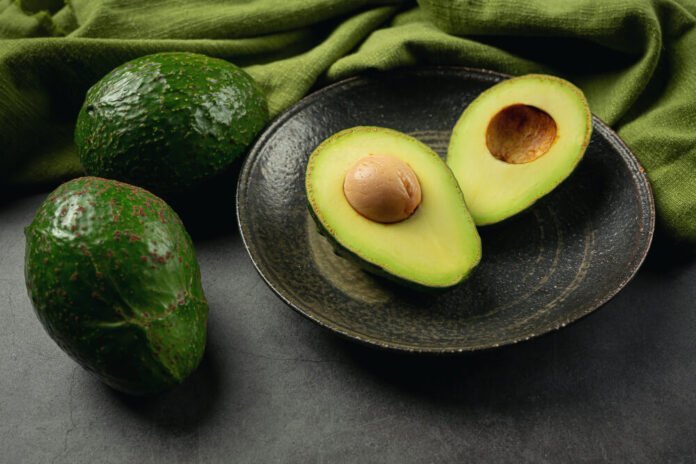
Avocado shortages make headlines often, but the reality is rarely as simple as “there are no avocados.” Supply can be tight one week and abundant the next sometimes in the same country, sometimes at the same time in different regions.
This article breaks down exactly what’s happening: why shortages occur, what triggered the most recent disruption, how suppliers respond, and what it all means for prices and store availability.
What “Avocado Shortage” Actually Means
The phrase “avocado shortage” gets used loosely, and that causes a lot of confusion. It doesn’t always mean avocados have disappeared from shelves. It can mean several different things depending on the situation.
- A short-term logistics disruption — shipments are delayed, not cancelled.
- A regional supply gap — one market is short while another has plenty.
- A size or grade mismatch — there may be plenty of large avocados, but retailers need small or medium fruit for their contracts.
- A broader market imbalance — supply and demand are temporarily out of sync.
A shortage in one region does not mean avocados are unavailable everywhere. And prices don’t always spike during a shortage either. FreshPlaza reported historically low spot prices during a period of strong Mexican availability showing just how quickly this market can swing in either direction.
Before drawing conclusions, it helps to distinguish between an actual shortage, a shortage risk, and plain market volatility. These are not the same thing.
Why Mexico Is the Center of Every Avocado Supply Story
Mexico is the dominant avocado supplier to the United States by a wide margin. That’s why any disruption there gets attention fast.
Think of it this way: imagine three supply pipes feeding one faucet. Mexico is the largest pipe. Peru, Colombia, and California are smaller backup pipes. If the biggest pipe slows down, the tap still runs but less steadily, and with more pressure on the backups.
When Mexican shipments slow due to inspections, weather, or logistics problems, U.S. store shelves feel it quickly. The supply chain between Mexican growing regions and American grocery stores is fast-moving and tightly scheduled. A delay of even a few days can ripple across distribution networks.
That said, the long-run picture for Mexican production is not collapsing. The USDA Foreign Agricultural Service projects Mexican avocado production to reach 2.8 million metric tons in 2026 up 3% from the prior year. Near-term disruptions are real, but they aren’t a sign that Mexico’s avocado industry is in permanent decline.
What Triggered the Most Recent Supply Disruption
In May 2026, two major avocado distributors Mission Produce and Westfalia Fruit declared force majeure on Mexican avocado orders. That’s a significant move, and it’s worth understanding what it actually means.
What Force Majeure Means in Plain Language
Force majeure is a formal contractual notice. It tells buyers that a supplier cannot meet its commitments because of extraordinary disruptions outside its control. In this case, it signals service delays and reduced fulfillment not a total collapse in production.
Think of it like a freight company announcing delays due to a major storm. They’re still operating. They’re just telling customers not to expect normal delivery timelines.
What Was Actually Causing the Problem
Several factors came together at once. Reduced USDA inspections slowed the movement of fruit across the border. Weather-related trucking delays added further strain. Industry estimates pointed to a 25–30% supply shortfall in affected regions though it’s important to note that figure is market-specific, not a national or global number.
Mexico also faced shortages across all avocado sizes at the same time, which made substitution harder. Distributors couldn’t simply swap one size for another to keep retailers stocked. There were also quality issues reported, including checkerboarding an uneven ripening pattern on the skin that makes fruit harder to sell at full price.
These problems stacked on top of each other in a short window, which is why the force majeure declarations attracted attention. It wasn’t one issue it was several hitting simultaneously.
How Suppliers Fill the Gap When Mexico Falls Short
A disruption in Mexican supply does not mean shelves go empty. What it triggers is a sourcing shift. Distributors and retailers are used to this it’s a standard part of operating in a market this dependent on one primary source.
Where the Fruit Comes From Instead
When Mexican shipments are delayed, distributors redirect fruit from other origins. Peru and Colombia can partially cover East Coast demand. California supplies parts of the domestic U.S. market. Retailers may switch origin labels on produce without consumers ever noticing a change in the product itself.
Spot markets are also used to source additional volume quickly. These purchases are typically more expensive than contracted supply, which is one reason prices can rise during a shortage but the fruit is still available.
Why This Is a Normal Part of the Avocado Trade
Seasonality drives a lot of this. One month can bring tight supply because inspections slow or trucking stalls. The next month can bring abundant fruit and lower prices. That cycle is not unusual it’s built into how the avocado market works.
Alternative sourcing from Peru, Colombia, and California is a standard industry response, not an emergency measure. The backup pipes exist precisely because everyone in the supply chain knows Mexico can’t always flow at full capacity.
What It Means for Prices and Store Availability
If you’ve noticed avocados costing more at the grocery store recently, a supply disruption is one likely reason. When distributors turn to spot markets or more expensive alternative origins, those costs often get passed down the chain.
But not every shortage means prices go up, and not every price spike means there’s a shortage. The market is more nuanced than that. During periods of heavy Mexican supply, spot prices have dropped to historically low levels. The same market that produces shortages can flip to oversupply within weeks.
Store availability also depends on your location and your retailer’s supplier relationships. A grocery chain with strong contracts in place may show no gap at all, while a smaller retailer with less buying power might struggle to keep shelves stocked during the same period.
What Else Could Affect Avocado Supply Going Forward
Beyond logistics and weather, a few other factors are worth knowing about.
Mexico’s avocado industry made a commitment in 2026 that avocados grown on illegally deforested land would no longer qualify for export. This adds compliance requirements and may affect which farms can supply export-grade fruit. It’s a positive step environmentally, but it could create short-term sourcing adjustments as the industry adapts.
Trade and regulatory pressures including USDA inspection capacity also play a role. Reduced inspection staffing directly slows border crossings, which is one of the contributing factors mentioned in the most recent disruption. That’s a regulatory issue, not an agricultural one, and it can change faster than growing conditions can.
For a broader look at how supply chain disruptions affect everyday consumer markets, Alice Business Mag covers business and market news across a range of industries.
How Long Do Avocado Shortages Usually Last
Most avocado supply disruptions are short-term. They’re driven by logistics bottlenecks, inspection delays, or weather events problems that resolve within weeks rather than months.
A force majeure declaration doesn’t mean a season is lost. It means a supplier is managing a difficult window and alerting buyers to adjust their expectations. Once inspections resume normal operations, or once trucking routes clear, supply typically catches up.
The 2026 USDA production forecast showing a 3% increase in Mexican output is a useful reminder: the structural supply picture isn’t deteriorating. The avocado industry is large, growing, and still heavily centered on Mexico. Short-term disruptions are real and can be significant but they tend to resolve, and the market moves on.
What to Take Away From All This
Avocado shortages are real, but they’re rarely as dramatic as the headlines suggest. The current situation driven by force majeure declarations, inspection slowdowns, and trucking delays is a supply squeeze, not a collapse.
Mexico remains the backbone of U.S. avocado supply, but Peru, Colombia, and California exist as functional alternatives. Prices may rise during tight periods, but they can just as easily fall when supply is heavy. And the long-run production outlook from USDA suggests the industry is growing, not shrinking.
If avocados are harder to find or more expensive right now, give it a few weeks. The pipes are still running just not all at full capacity.
Also Read: