
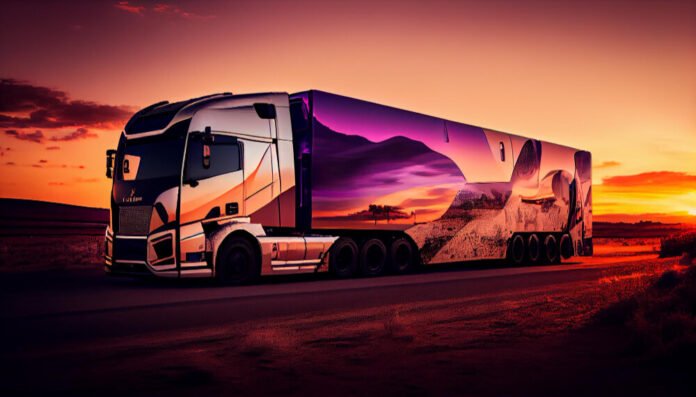
A small business can offer excellent products and services, yet attracting new customers is not always easy. Imagine a local contractor travelling between job sites or a delivery company moving through busy neighbourhoods. Every day, their vehicles pass hundreds of people, but how many potential customers remember the business?
A professionally designed trailer can turn these everyday journeys into opportunities to build brand awareness. Instead of relying only on online promotions or traditional advertising, businesses can use their trailers to display their brand wherever they travel. This simple marketing approach can help small businesses become more recognisable and reach audiences beyond their usual customer base.
Why Visibility Matters for Small Businesses
Getting noticed is one of the biggest challenges for small businesses. They often compete with established companies that have larger advertising budgets and stronger brand recognition. Building awareness takes time, and reaching potential customers requires consistent exposure.
Traditional advertising methods, such as newspaper advertisements, flyers, and billboards, can help businesses connect with local audiences. However, some of these options involve recurring costs or reach people only in specific locations.
Mobile advertising offers another way to improve visibility. A business trailer traveling through residential areas, commercial districts, and busy roads can introduce the brand to different audiences throughout the day.
This approach is particularly useful for:
- Contractors and construction businesses: Their trailers travel between job sites and may be seen by local residents and other businesses.
- Landscaping companies: Branded trailers can increase recognition while teams visit residential and commercial properties.
- Delivery businesses: Their regular journeys create opportunities for repeated brand exposure.
- Event and catering businesses: Trailers travelling to different venues can help promote their services to new audiences.
The goal is not simply to display a business name but to make the brand easier for people to recognize and remember.
How Trailer Wraps Turn Everyday Travel into Advertising Opportunities
A trailer does not have to be just a means of transporting equipment, products, or supplies. Its exterior can also provide valuable space for business advertising. Well-planned trailer wraps allow small businesses to display their logos, colors, services, and contact information while traveling between locations.
Unlike an advertisement placed in one fixed location, mobile graphics can reach people in different neighborhoods and commercial areas. They may also attract attention when a trailer is parked outside a customer’s property or at a business location.
Here are some ways this advertising approach can support brand awareness:
- Wider local exposure: Trailers traveling through different areas can introduce a business to people who may not have encountered it online.
- Repeated brand recognition: Seeing the same logo and business name regularly can make a company more familiar to local audiences.
- Everyday advertising space: Businesses can use an existing work trailer as an additional marketing opportunity without purchasing separate billboard space.
- Better brand recall: Consistent colors, clear messaging, and recognizable logos can help people associate the trailer with the business.
However, visibility depends on factors such as the trailer’s routes, design, traffic conditions, and how frequently people encounter it. A wrap can support awareness, but it does not guarantee customer inquiries or sales.
What Makes Trailer Advertising Effective?
A trailer wrap needs more than attractive graphics to work as a marketing tool. Its design should communicate the business’s identity quickly and clearly.
People may only have a few seconds to notice a trailer while driving or walking nearby. Keeping the message simple makes it easier for them to understand what the business offers.
Consider these important design elements:
- A recognizable logo: Place the company logo where it can be seen easily and make sure it is large enough to remain clear.
- Consistent brand colors: Use colors that match the business’s existing identity across its website, social media, and other marketing materials.
- A clear service message: Include a short description of the main service or product instead of listing everything the business offers.
- Readable contact details: Add a website address or phone number that people can easily recognize.
- High-quality graphics: Use clear images and professional layouts that make the business look organized and credible.
It is also important to consider the trailer’s size and shape. Doors, handles, windows, and other structural features can affect how the graphics appear once installed. A design should account for these details before production begins.
How Small Businesses Can Get More Value from Trailer Advertising
A well-designed trailer can support a wider marketing strategy when businesses use it consistently. Planning where and how the trailer travels can help increase its exposure to relevant audiences.
Small businesses can make better use of this advertising space through a few practical steps:
1. Choose routes carefully
Consider the areas where potential customers are most likely to be found. A landscaping business, for example, may benefit from traveling through residential neighborhoods, while a commercial supplier may focus on business districts and industrial areas.
2. Use the trailer at local events
Community fairs, trade shows, exhibitions, and local business events provide additional opportunities to display branded trailers. These settings can help businesses connect with people who may be interested in their services.
3. Keep branding consistent
Use the same logo, colors, and core message across the trailer, website, business cards, and social media profiles. Consistency makes it easier for customers to recognize the business across different platforms.
4. Review and update the graphics
Services, contact details, and branding can change as a business grows. Check the trailer graphics regularly to make sure the information remains accurate and easy to read.
5. Connect offline and online marketing
A trailer can introduce people to a business, while its website and social media pages provide more information. A simple website address or QR code, when appropriate and safely accessible, can help interested viewers find out more.
Why Trustworthy Advertising Messages Matter
Good advertising should attract attention without misleading potential customers. A trailer may create a positive first impression, but the information displayed must accurately represent the business.
For example, a company should avoid making unsupported claims about its experience, qualifications, service coverage, or results. Contact details should also remain current so interested customers can reach the business.
The Federal Trade Commission’s advertising guidance for small businesses explains that advertising claims should be truthful, non-deceptive, and supported by evidence.
Following these principles helps businesses build credibility while promoting their services. Clear and honest messaging can make a brand more trustworthy and give potential customers a better understanding of what to expect.
The Bottom Line
Small businesses do not always need complicated marketing campaigns to improve their visibility. Sometimes, an existing business asset can provide another opportunity to reach potential customers. A professionally designed trailer can display a company’s identity during everyday journeys, at customer locations, and at local events.
With clear messaging, consistent branding, and thoughtful route planning, trailer advertising can become a useful part of a broader marketing strategy. While it cannot guarantee new business, it can help companies build recognition and remain visible in the communities they serve.
Frequently Asked Questions
1. Are trailer wraps suitable for small businesses?
Yes, trailer wraps can suit small businesses that regularly travel between customer locations, job sites, events, or commercial areas.
2. Can trailer graphics help attract local customers?
They can introduce a business to local audiences and improve brand recognition, although actual inquiries depend on several factors, including design, exposure, and customer demand.
3. What information should a business include on a trailer wrap?
A business should generally include its logo, a brief description of its services, brand colors, and essential contact information.
4. How often should businesses update their trailer graphics?
Businesses should review their graphics whenever branding, services, or contact details change and replace them when their condition or appearance affects readability.
5. Can trailer advertising work alongside digital marketing?
Yes, trailer advertising can build offline brand awareness while websites and social media provide additional information and ways for potential customers to connect.